
Ravioli
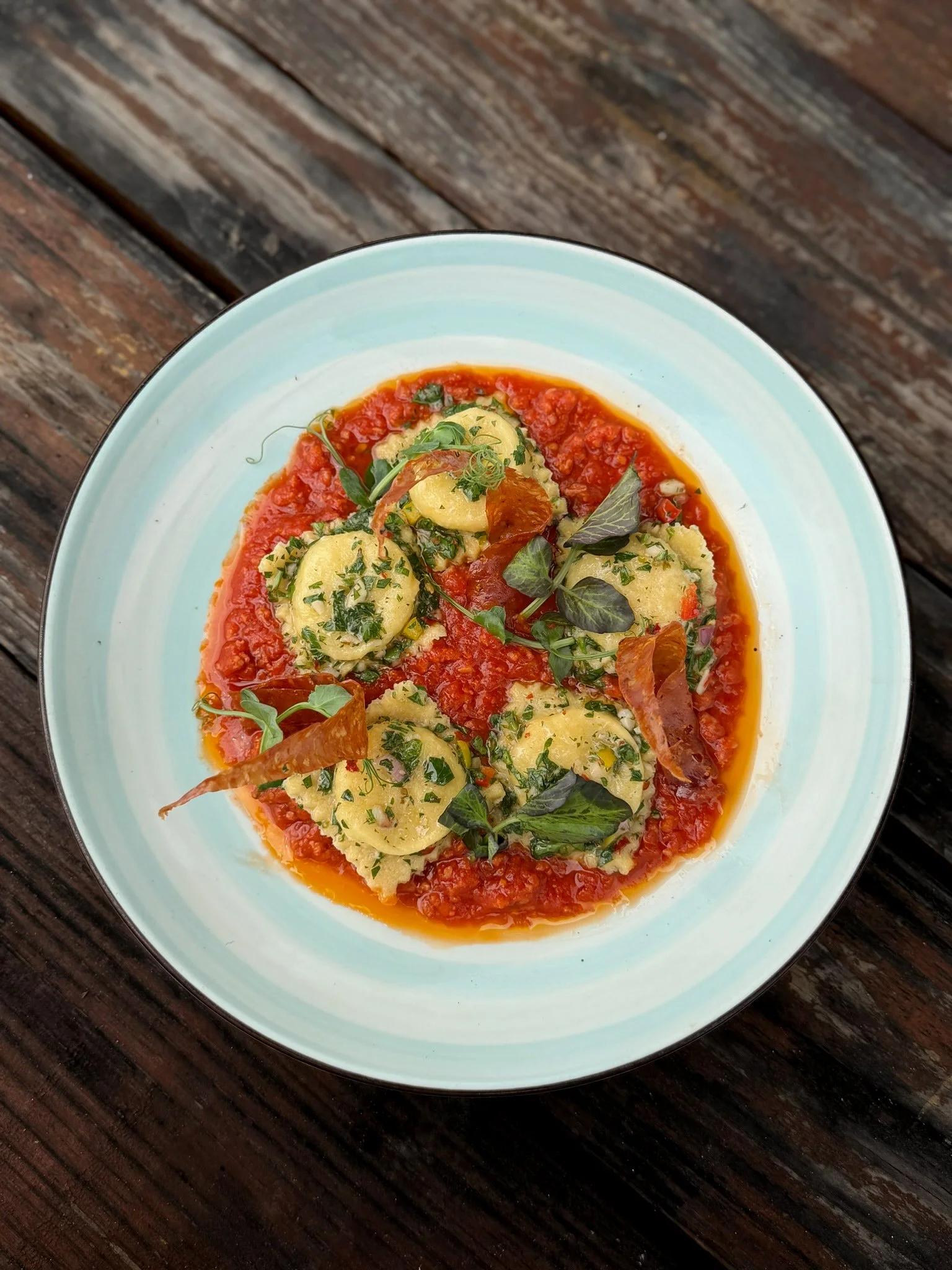
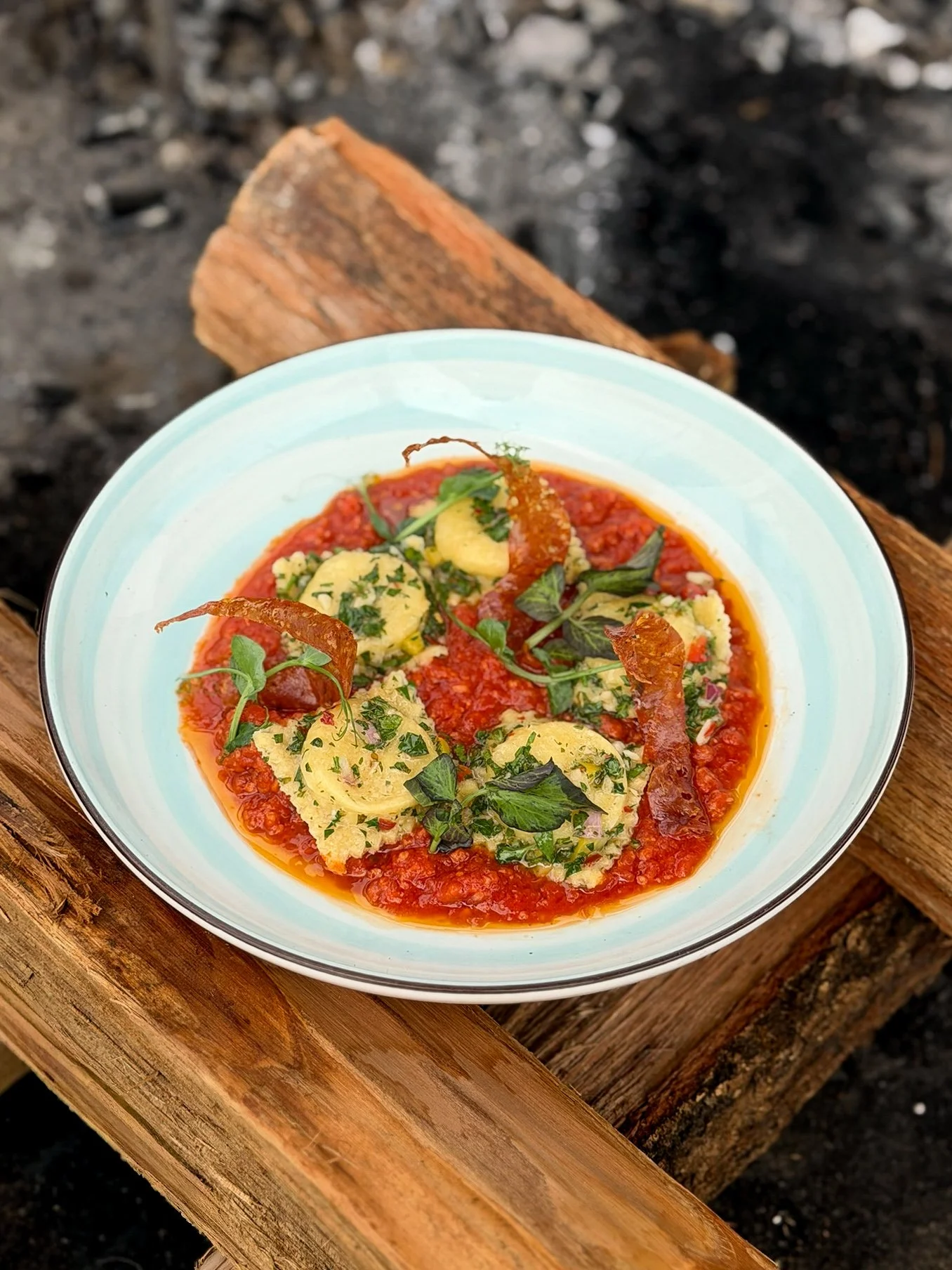
Our potato and cheese ravioli are made fresh on the day of service using a Yukon Gold potato mousseline with a Provolone and Parmesan cheese filling. For the ragù, our house-made, Malbec-infused chorizo is caramelized and slowly simmered in a roasted tomato sauce. With only two ingredients, the chorizo is able to fully stand out.
Beyond the Boil
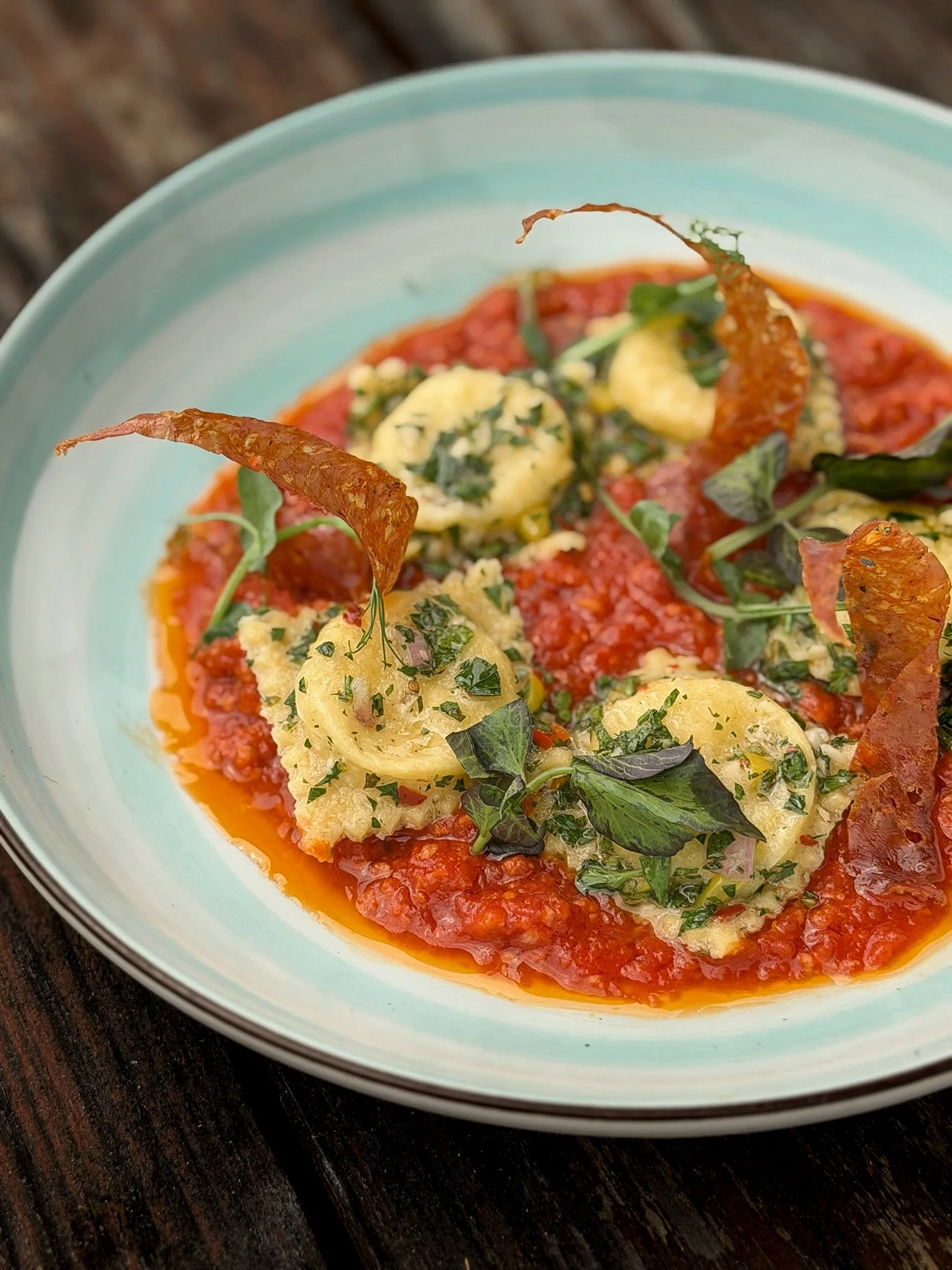
Once cooked al dente, the ravioli are tossed in our signature chimichurri and served over the chorizo ragù. To finish the dish, we slice Spanish dry-cured chorizo so thin you can read through it, then bake it until crispy.
Simple flavors come together with a beautiful textural contrast between the delicate handmade pasta, smooth and cheesy potato mousseline, and chorizo so crisp and thin it practically melts in your mouth.
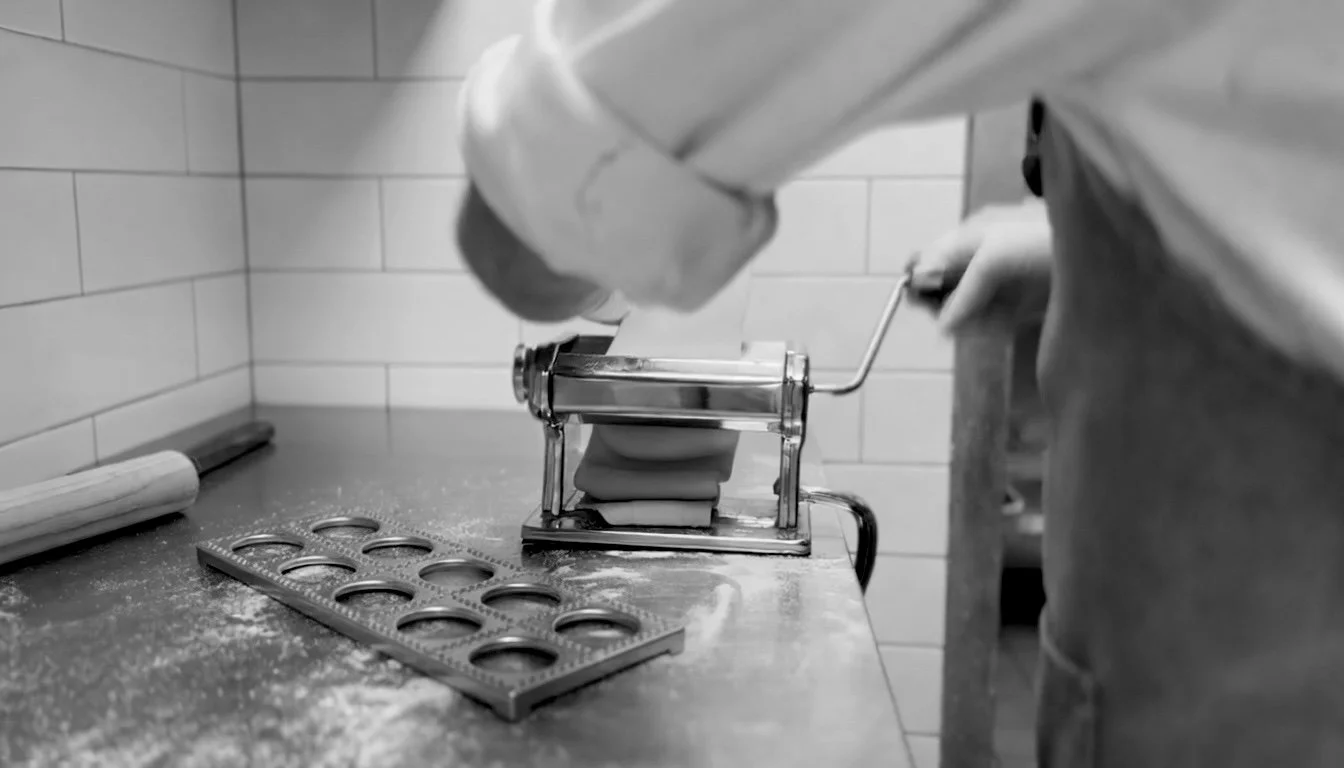
The Process Behind the Plate
Notes from our culinary team:
“The pasta dough is a hybrid recipe passed down from Alain Ducasse to my chef, Ted Peters, and eventually to me. We use imported Italian 00 flour, milled to an ultra fine texture, with a high protein content that creates a silky mouthfeel and the perfect al dente bite.
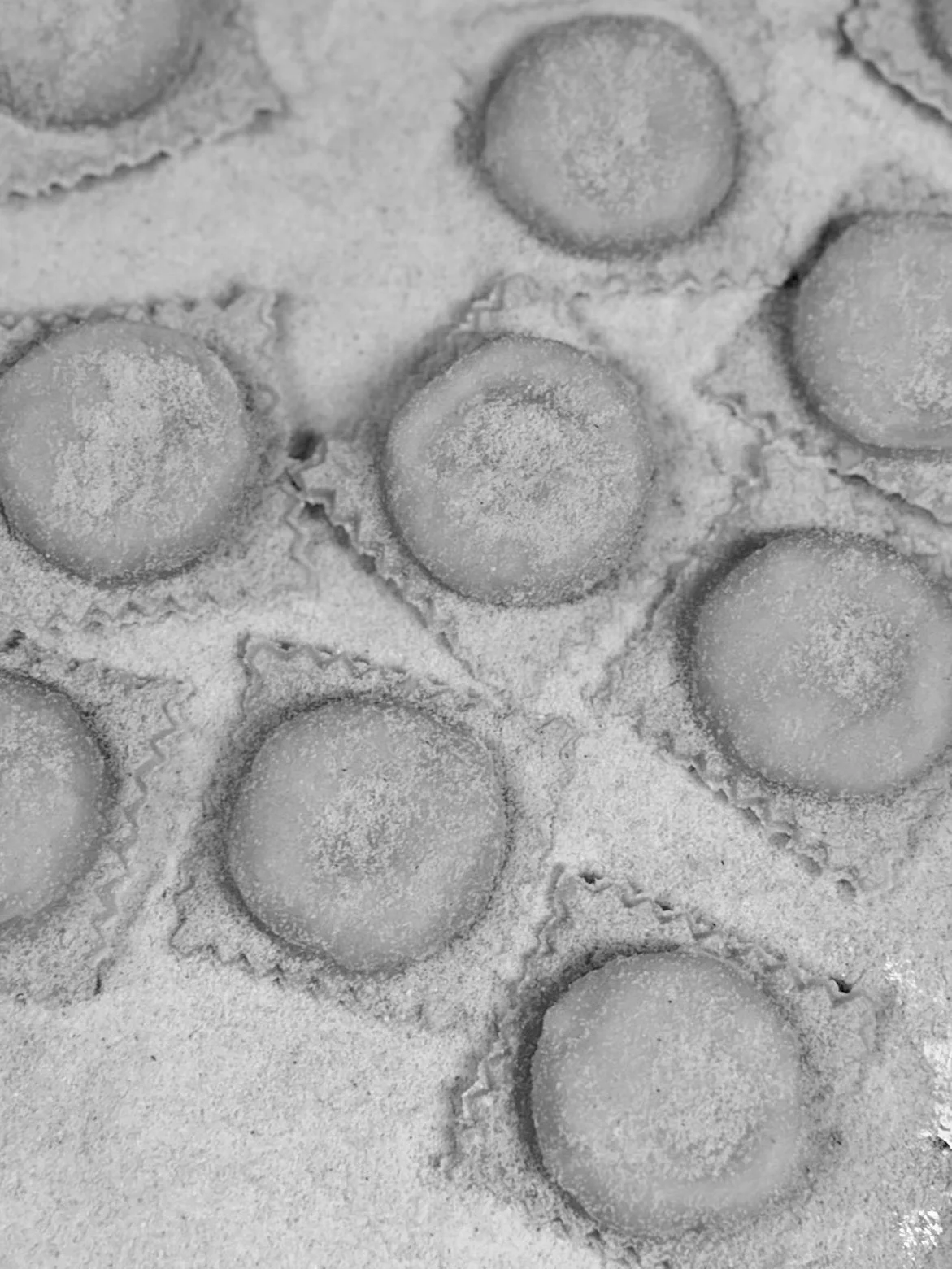
When making ravioli, the dough is just as important as the filling. How thin you roll it and how you work it through repeated passes can completely change the final texture, structure, and overall finished dish.
During the process, I roll the dough out multiple times until it reaches a thin, even sheet. Thin dough creates a lighter, more delicate pasta that allows the filling to come forward. Instead of a heavy or chewy bite, the ravioli feels tender and refined.
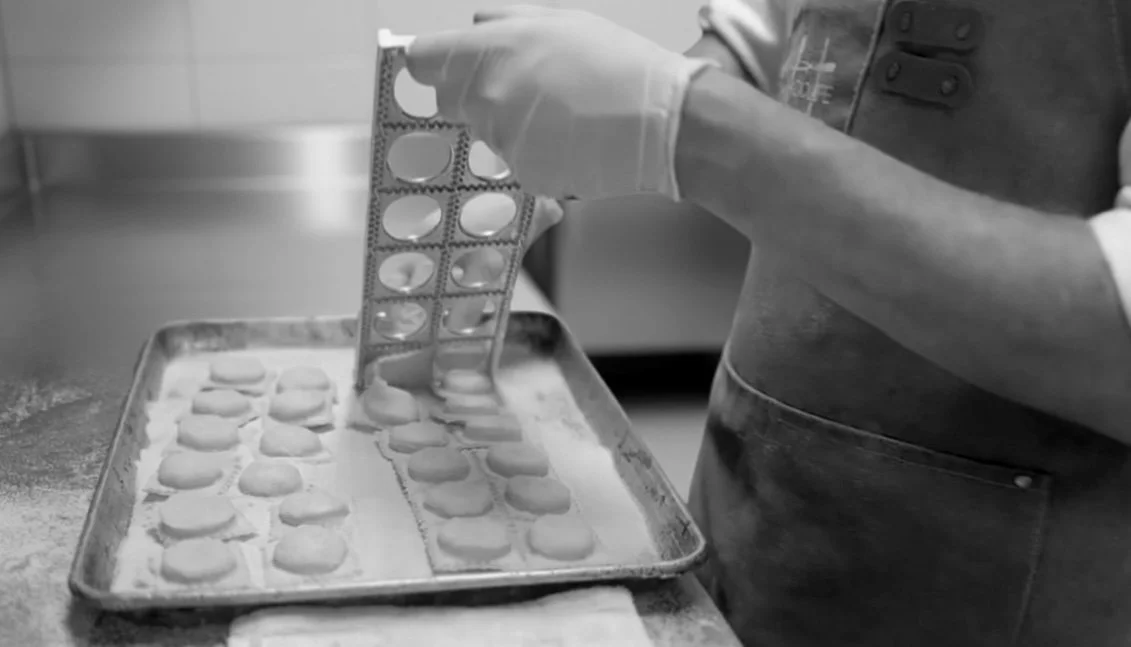
The balance of egg yolk and egg white plays a major role in the structure of the dough. Egg yolks bring richness, depth of flavor, and a natural golden color that gives the pasta its warm, rich tone. They also contribute fat, which creates a softer, more supple texture. Egg whites add elasticity and strength, helping the dough stretch without breaking and giving it the resilience needed to hold filling during shaping and cooking.
Each pass through the roller helps relax and evenly develop the gluten, resulting in a smoother sheet that is easier to work with. This gradual development reduces tearing and helps the dough seal more effectively, lowering the risk of ravioli bursting during cooking while keeping the filling intact. It also ensures a uniform texture, creating a consistent bite from edge to center.
The result is a thin, silky pasta that melts in your mouth and elevates even the simplest fillings into something memorable.”
See how this dish is made on our YouTube!